
Alles over medicijnen
Geneesmiddelen online bestellen? Betaal zonder recept en met iDeal.
Flat 25% DISCOUNT on medicine order.
Wie zijn wij?
Apotheek
Refill Pharmacy Welcome to Refill Apotheek, your trusted source for safe and effective medicines and health products. Whether you need repeat prescriptions, over-the-counter medicines, or advice to improve your health, we offer a wide range of solutions to help you achieve your health goals. Start your journey to better health today with our trusted products and professional guidance. Fast, safe, and with lasting results – find the pharmacy services and medicines that suit you.

-

Temazepam 10MG
55 € -
Temazepam 20 MG
55 € - 65 €Prijsklasse: 55 € tot 65 € Dit product heeft meerdere variaties. Deze optie kan gekozen worden op de productpagina -
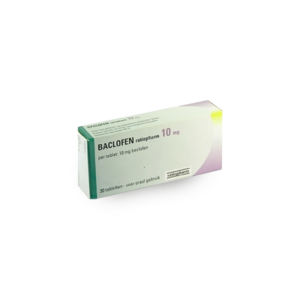
Baclofen 10 mg
50 € -
Tramadol 100 mg
60 €


Uw bestellingen worden naadloos verzonden tussen landen
Je hebt het recht om je bestellingen binnen 14 dagen te retourneren.
Uw betalingen zijn veilig met ons eigen beveiligingsnetwerk.
Refill Pharmacy
Refill Pharmacy Obesity, once primarily considered a consequence of an unhealthy lifestyle, is now recognized as a chronic disease. Since 1975, the global prevalence of obesity has tripled; it is estimated that by 2025, approximately 18% of men and 21% of women worldwide will be affected. Obesity is defined as an excessive accumulation of body fat that can harm health and is typically measured using the Body Mass Index (BMI). A BMI of 30 or higher generally indicates obesity, although there are exceptions (for example, athletes with high muscle mass).
Health risks and contributing factors
Obesity increases the risk of serious diseases, including coronary heart disease, type 2 diabetes, osteoarthritis, and other joint problems. Some contributing factors, such as genetic predisposition or a sedentary occupation, are difficult to change, while others, such as diet, physical activity, and men’s health, can often be improved with the right support.
Pharmacies
our pharmacies at Refill Pharmacy and their care facilities are easily accessible:
Provide evidence-based advice on lifestyle changes (diet, exercise, quitting smoking).
Review current medication to determine which drugs may contribute to weight gain and discuss alternatives with the prescriber if necessary.
Inform patients about prescribed medications for weight management, explaining the mechanism of action, expected benefits, common side effects, and safety monitoring.
Help patients adhere to the prescribed treatment plan and advise when to consult their prescriber for check-ups or questions.
Medications for weight management
Various medications may be prescribed for weight management to eligible patients. These may only be used under the supervision of a doctor and in consultation with a pharmacist:
Orlistat (eg Xenical): Reduces fat absorption in the intestines; recommended in combination with a low-calorie diet. Information regarding the effectiveness of gastrointestinal collaterals and the need for integration with fat-soluble vitamins during long-term use.
Liraglutide (ad es. Saxenda): an agonist of the GLP-1 receptor in the skin; gastrointestinal sensation is increased and the sensation of nausea is enhanced. Monitor the effectiveness of the gastrointestinal collateral, follow the monitoring guidelines, and adjust the dose.
Semaglutide (as well as Wegovy) and other GLP-1 agonists: the therapy reduces appetite and favors measures associated with lifestyle changes. There are various initiation and maintenance techniques and advice regarding possible effective measures.
Tirzepatide (ad es. Zepbound): a dual agonist of GIP/GLP-1, primarily used for diabetes during treatment 2, but also for the treatment of pesoscopy during treatment; control glycemia and gastrointestinal tolerance.
Naltrexone/Bupropione (ad es. Mysimba): an oral combination that stimulates central appetite; discussing the contraindications (including non-controlling tension, convulsions) in the pharmacological interaction.
Security and accessories
I ensure that proper care is provided and that medical qualifications are verified. I have verified the indication and assistance with the examination of the disease, the initial assessment, the potentially effective collateral, and the consultation with a doctor.
I do not hesitate to purchase medicines that prescribe the type online without verification.
Pharmacists can help patients find legitimate and licensed pharmacies and advise on safely ordering and receiving medicines.
Some therapies require regular check-ups (weight checks, blood tests, blood pressure measurement). I would like to administer all therapies and coordinate the support with the prescribing physicians.
Practical advice for patients
Set realistic goals and personalize them in consultation with your care team.
Keep an eye on the assessment and the options for adjustment.
Increase your daily physical activity with feasible options (walking, cycling, household chores).
Strive for sustainable lifestyle changes instead of quick weight loss strategies.
Offer extensive support in the field of communication, such as consultations, group programs, coaching, and appropriate training.
Recommendations for a healthy lifestyle
Healthy diet: emphasize vegetables, fruit, whole grains, lean proteins, and healthy fats. Limit the amount of food you eat, eat enough, and avoid saturated fats.
Regular physical activity: Aim for at least 150 minutes of moderate-intensity physical activity per week, or as prescribed by our doctor at Refill Pharmacy or your doctor.
Behavioral approaches: Use mindful eating, social support, and motivational strategies to sustain changes.
Avoid crash diets and untested supplements that may be ineffective or harmful.
When should you consult a healthcare provider?
If you are considering using medication for weight management.
Given the rapid weight change, it is important to monitor your current medical condition and any worsening of existing conditions.
Contact your doctor or our doctors at Refill Pharmacy if you are concerned about side effects or interactions with other medicines.
Finally:
By combining evidence-based lifestyle changes with appropriate medical treatments and support from the pharmacist, patients can work towards sustainable weight management and an overall improvement in their health. Contact our Refill Pharmacy or other healthcare providers and consult your doctor or prescriber for personal advice.