
Beschrijving
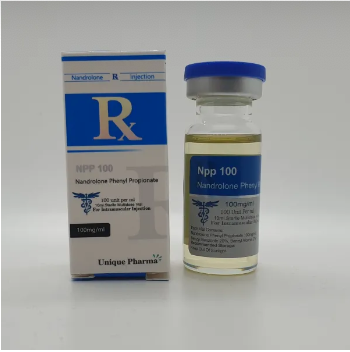
Nandrolone Phenyl Propionate
Nandrolone Phenyl Propionate is a fast-acting variant of Deca. The main difference lies in its lower retention and the fact that it builds higher quality muscle than Deca. Nandrolone works well in combination with testosterone propionate because they have virtually the same half-life.
How is Nandrolone Phenyl used?
NPP should be injected at least once every four days and can also be injected daily. It remains active in the body for up to five days, but for optimal results and to prevent a drop in blood levels, it is recommended to inject it at least every four days. Nandrolone should be used for approximately six to eight weeks for good results.
Nandrolone phenyl propionate dosage:
- Effective dose for men: 400-1000 mg per week
- Effective dose for women: 50-100 mg per week
What to discuss with your clinician before taking Nandrolone Phenyl
When you meet with a licensed clinician, it helps to frame the conversation clearly: you’re considering an anabolic hormone–type medication and want to reduce avoidable harm. Start by sharing your goal (e.g., muscle gain or performance), your current training routine, and whether you’ve used similar compounds before. Also mention any hormone-related history, such as prior testosterone therapy, fertility concerns, or symptoms like low libido.
Before discussing anything further, be ready to cover your baseline health. Clinicians typically want to know your blood pressure history, sleep quality (including possible sleep apnea), mental health history (anxiety, irritability, mood instability), and any history of diabetes or insulin resistance. Family history matters too—especially heart disease at a young age, blood clotting disorders, stroke, or sudden cardiac events. Don’t forget to include any relevant prostate or urinary history, since hormone-related compounds can affect these symptoms in some people.
Bring a complete list of substances you take, including prescription medications, over-the-counter drugs, and supplements. Particular attention should be given to anything that affects clotting, blood pressure, cholesterol, heart rhythm, or mood. If you use multiple supplements (or stimulants), tell them exactly what and how often. This helps the clinician identify interaction risks and decide what baseline tests are appropriate.
A useful way to structure the appointment is to ask for a risk assessment and a monitoring plan. You can request guidance on what baseline bloodwork to obtain and what should be rechecked during treatment and after stopping. Common discussion points include cardiovascular risk (cholesterol and blood pressure), changes in blood thickness markers (often reflected in blood counts), liver and kidney markers, and hormone-related labs relevant to your situation. Even if a clinician cannot advise use directly, they can often help evaluate your current risk level and what signs would warrant urgent evaluation.
Ask specifically for “red flag” symptom guidance. Examples include chest pain, shortness of breath, severe headache, fainting, sudden weakness on one side of the body, confusion, or extreme agitation. Also ask about urgent steps if you develop jaundice, dark urine, severe abdominal pain, or signs of an allergic reaction.
Quality and legality are also important topics. Discuss whether the product you’re considering is regulated in your area and how variability in contents can affect safety. Clinicians may advise against nonstandard sources and can recommend safer alternatives for training goals, such as structured nutrition, sleep optimization, and medically supervised options if appropriate.
Finally, ask about a plan for stopping. Even in educational conversations, clinicians can often discuss general health recovery considerations, how to transition back to baseline, and what follow-up tests are recommended to ensure hormones and cardiovascular markers return toward safer ranges.